
Beekeeping, Hive Designs & History
Beekeeping is more than just honey; it is a pathway to economic empowerment and environmental conservation. Learn more...
Advantages & Disadvantages
✅ Advantages
- Increases honey production
- Improves crop pollination
- Reduces human and animal stings
- Allows management of bee diseases and pests
- Enables selective breeding for desirable traits
⚠️ Disadvantages
- Expensive and labor-intensive
- Can stress the bees
- May impact the environment
- Poor management can lead to aggression or swarming
- Bees may become dependent on humans

🐝 Bee Pest Management for Successful Crop Farming
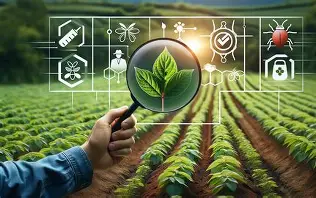
1. Understanding Bee Pests and Their Impact:
Bee pests damage crops, reduce yield, and spread diseases. Examples include fruit flies and mites that harm
crop health.
2. Methods of Bee Pest Management:
🌱 Biological Control – Using natural predators like ladybirds, mantis, and parasitic wasps.
💊 Chemical Control – Using insecticides wisely and safely.
♻️ Integrated Pest Management (IPM) – Combining biological, chemical, and cultural control methods for
sustainable results.
3. Tips for Successful Crop Farming:
• Regular monitoring
• Eco-friendly methods (neem oil, garlic spray)
• Minimize chemical use
• Maintain crop hygiene
4. Benefits of Proper Pest Management:
📈 Increased yield and quality
🌱 Environmentally friendly
💵 Economically beneficial for farmers
💹 Impact of Bee Pest Management on the National Economy
🐝 Increased Crop Yields: Healthy crops mean more food security and reduced imports.
💰 Economic Benefits: Farmers earn more and create local jobs.
🌱 Sustainability: Eco-friendly pest management supports biodiversity and soil fertility.
🌍 Global Trade: Eco-safe crops improve exports and national reputation.
⚖️ Reduced Chemical Use: Lowers import costs and health risks.

💊 Production of Medicines Using Bees Honey
🍯 Honey: Natural antibacterial and wound-healing agent.
🐝 Bee Venom: Used for arthritis, MS, and pain relief.
🏵️ Propolis: Natural antibiotic for infections.
👑 Royal Jelly: Boosts energy and skin health.
🌼 Bee Pollen: Rich in nutrients, improves immunity.